
How to Tell If an Aching Tooth Requires a Root Canal: Key Signs to Watch For
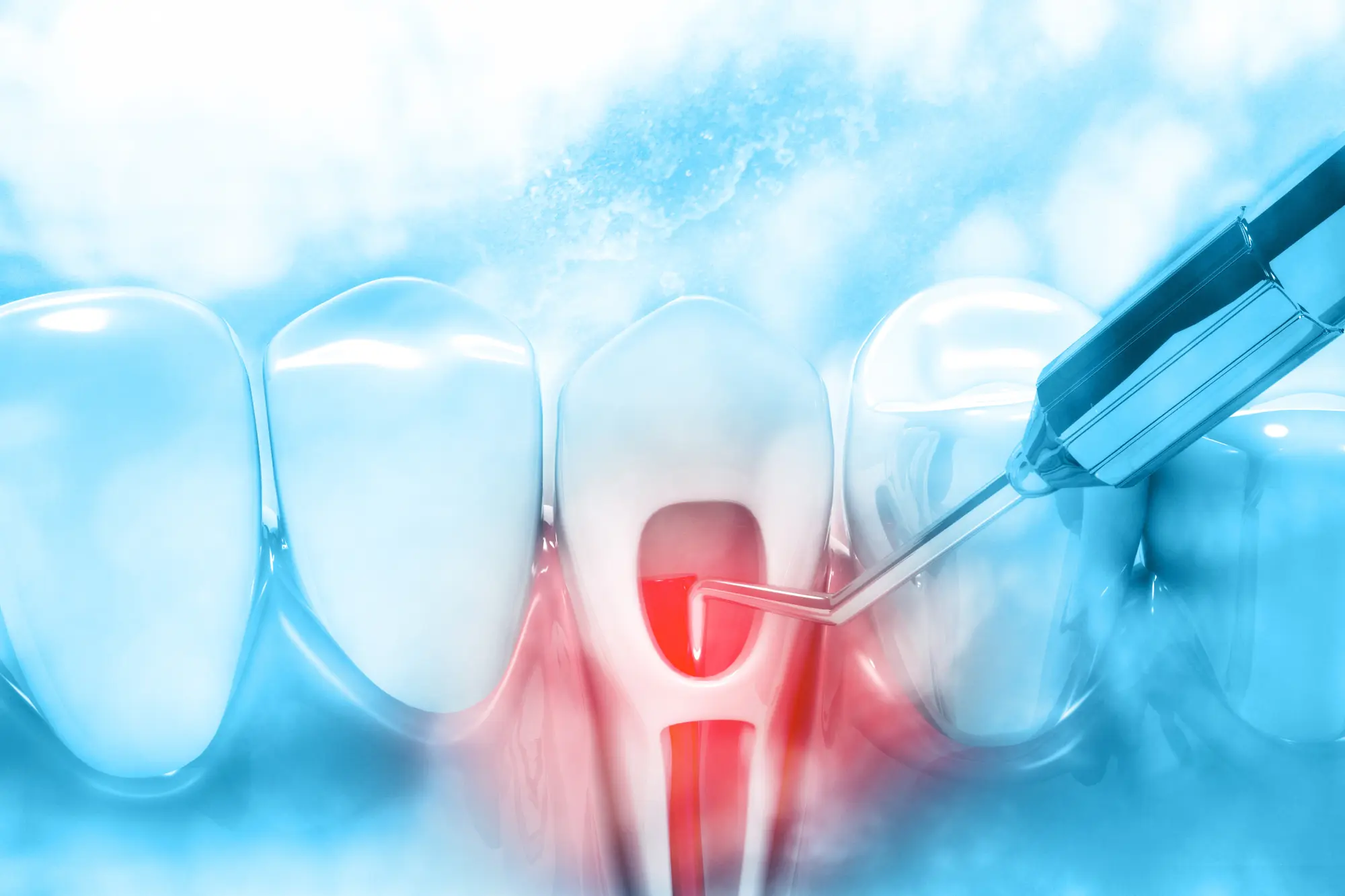
When a toothache strikes, it can disrupt every aspect of your day. Your meals, your sleep, and even your ability to concentrate. If you’re experiencing persistent or worsening tooth pain, you may be asking yourself: “Could this be something serious? Do I need a root canal?” At Relieve Root Canal Specialists, we understand that the words “root canal” often trigger fear for many patients.
However, understanding the signs of an infected tooth and seeking treatment with a root canal promptly can prevent further complications and might even save your natural tooth. At our office in San Diego, Dr. Ronak Makadia and his team provide compassionate, advanced care designed to put you at ease from start to finish.
Why Tooth Pain Should Never Be Ignored
Toothaches are your body’s way of telling you something isn’t right, and ignoring the signs can lead to more severe damage, such as infections that spread or tooth loss. Root canal therapy is often the best solution when the pulp, the soft tissue inside the tooth that contains nerves and blood vessels, becomes infected or inflamed. But how do you know when you’ve reached the point of needing root canal treatment?
Common Symptoms That May Signal the Need for a Root Canal
There are several telltale signs that a toothache may require root canal therapy. If you’re experiencing any of the following, it’s essential to consult a trusted dentist or endodontist as soon as possible:
- Persistent or Severe Tooth Pain: Pain that lingers, worsens, or throbs continuously, even when you’re not eating or drinking, might indicate an infection deep within the tooth.
- Tooth Sensitivity to Hot or Cold: If your tooth reacts sharply to warm beverages or ice cream and the sensitivity doesn’t fade after removing the stimulus, this could mean the pulp is damaged.
- Swelling or Tenderness Near the Tooth: Gum swelling, tenderness, or a visible bump (abscess) near the affected tooth often points to an underlying infection.
- Darkening or Discoloration: A tooth turning gray or black signals damage to the nerve or blood vessels, often necessitating root canal treatment.
- Difficulty Chewing or Biting: Pain when applying pressure, such as biting down on food, could be a sign of advanced decay or infection.
What Happens During Root Canal Therapy?
The thought of a root canal may sound intimidating, but with modern advancements in endodontic care, the procedure is surprisingly straightforward and far less uncomfortable than you might expect. Here’s a quick look at the process:
- Diagnosis and Imaging: Advanced imaging tools, such as microscopes and digital X-rays, allow precise identification of the problem tooth and its underlying condition.
- Cleaning and Disinfection: The infected or damaged pulp is carefully removed, and the inside of the tooth is cleaned and disinfected using innovative methods like GentleWave technology for optimal results.
- Sealing and Restoration: Once the tooth is thoroughly treated, it’s sealed to prevent future infections and typically topped with a crown for protection and strength.
How Relieve Root Canal Specialists Makes Your Comfort a Top Priority
Whether you’re coming in for a same-day appointment to address urgent tooth pain or meeting with Dr. Makadia through a virtual consultation for advice on an aching tooth, you’ll feel safe, supported, and cared for every step of the way.
At Relieve Root Canal Specialists, everything about our practice is centered around your comfort and peace of mind. We offer several amenities to reduce anxiety and keep you comfortable during your root canal, including:
- Noise-canceling headphones
- iPads for relaxation
- Nitrous oxide and IV sedation for different levels of anxiety or discomfort
Plus, our use of cutting-edge endodontic technology like GentleWave ensures your treatment is as efficient, effective, and minimally invasive as possible. This innovative system uses advanced acoustic energy to thoroughly clean and disinfect the tooth’s root canals, often reducing the need for repeat appointments.
Frequently Asked Questions About Root Canals
Will it hurt?
Root canal therapy is designed to relieve pain, not cause it. Thanks to modern sedation options and numbing techniques, most patients report feeling little to no discomfort during the procedure.
How long does the procedure take?
Root canals are typically completed in 1-2 hours in a single appointment, although complex cases may require a follow-up visit.
Can I return to work after a root canal?
Most patients are able to resume normal activities the same or next day, though it’s common to experience mild post-procedure sensitivity.
Don’t Wait, Get Relief Today
If you’ve been noticing any of the symptoms listed above, waiting can only make things worse. At Relieve Root Canal Specialists in San Diego, we prioritize same-day and next-day appointments to get you out of pain quickly.
Whether you need expert care for an aching tooth or a virtual consultation to discuss your symptoms, Dr. Ronak Makadia is here to help you feel better fast, without the fear or stress. Call us today at (858) 868-5501 to schedule your appointment or click to request an in-office or virtual visit.
Related Posts

Apicoectomy Recovery in San Diego: What Should You Expect?
Any surgical procedure can come with a mix of apprehension and questions, and apicoectomies are no different.
When Is an Apicoectomy Microsurgery Needed Instead of a Root Canal Retreatment?
Experiencing dental pain after a root canal can feel frustrating and worrisome. You thought the problem had been resolved.
Can a Cracked Tooth or Traumatic Dental Injury Be Saved? Understanding Emergency Root Canal Care
The good news? In many cases, a cracked tooth or traumatic dental injury isn’t a final verdict for extraction

Quick. Convenient. Simple.
Schedule a Virtual Consult
Dental emergencies can happen at any time. Even if we can't see you in person right away, a virtual consultation allows us to understand your concerns and develop a plan to address your dental pain. Gain the information and peace of mind you need to take the first step towards relief.
Heading 1
Heading 2
Heading 3
Heading 4
Heading 5
Heading 6
Lorem ipsum dolor sit amet, consectetur adipiscing elit, sed do eiusmod tempor incididunt ut labore et dolore magna aliqua. Ut enim ad minim veniam, quis nostrud exercitation ullamco laboris nisi ut aliquip ex ea commodo consequat. Duis aute irure dolor in reprehenderit in voluptate velit esse cillum dolore eu fugiat nulla pariatur.
Block quote
Ordered list
- Item 1
- Item 2
- Item 3
Unordered list
- Item A
- Item B
- Item C
Bold text
Emphasis
Superscript
Subscript